Solving the Artefact Problem
How we learned to stop naming genres and start describing physics. Genre labels trigger stamps, seals, and signatures — and negative prompting can't fix it.
The Problem
Our first style explorations produced beautiful watercolour illustrations — but with persistent contamination. Red seal stamps, fake artist signatures, and calligraphy text kept appearing in the corners. Flux has deeply learned these as part of the "watercolour painting" concept from its training data.
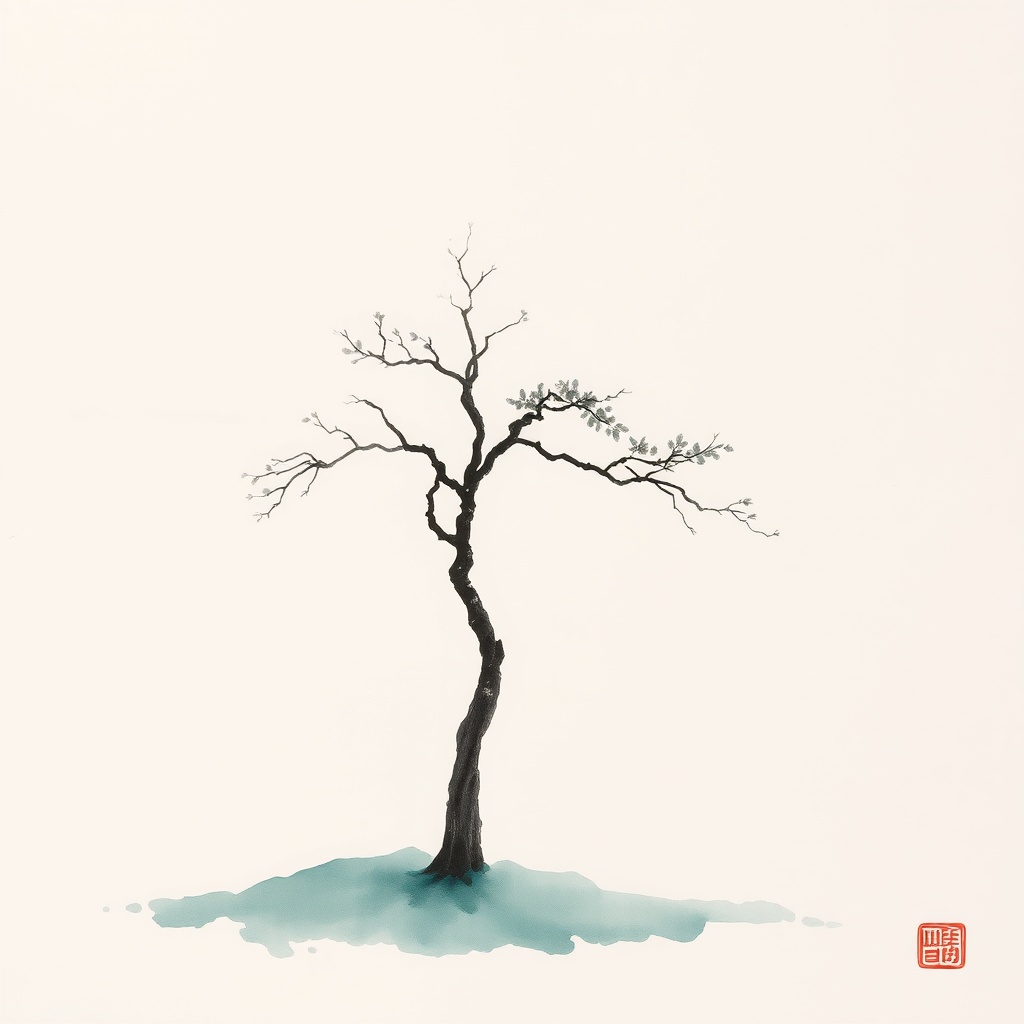
East Asian Ink Wash
Red seal stamp bottom-right, despite "no stamps" in prompt
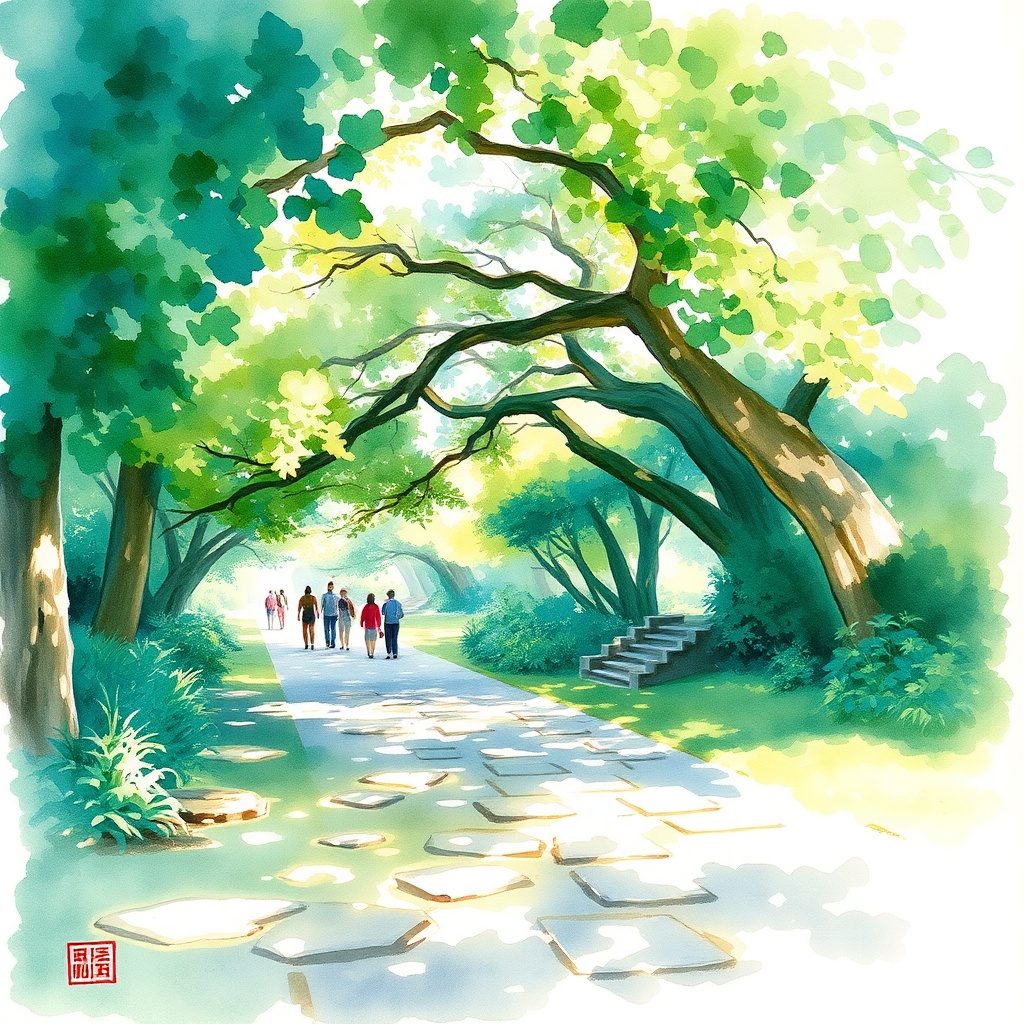
Loose Impressionist — Level 4
Red seal stamp bottom-left. Even "impressionist watercolour" triggers it at higher detail levels
This isn't a prompting failure — it's a training data association. Flux learned that "watercolour painting" (especially with Asian or traditional fine art language) comes with stamps, seals, and signatures. Negative prompting can suppress surface features, but it can't undo deep conceptual associations.
The Insight
Genre labels are the trigger. When we say "East Asian ink wash" or "impressionist watercolour", Flux reaches for the full cultural package — including the conventions of how those artworks are presented (signed, sealed, stamped).
The solution: stop naming the genre. Describe the physics of pigment on paper. What is the brush doing? How is the pigment behaving? What does the paper look like? Flux can render these physical properties without triggering the cultural associations.
Six Approaches Tested
We tested six different framing strategies, all producing the same scene (a person discovering a plant in a garden) with the same teal palette:
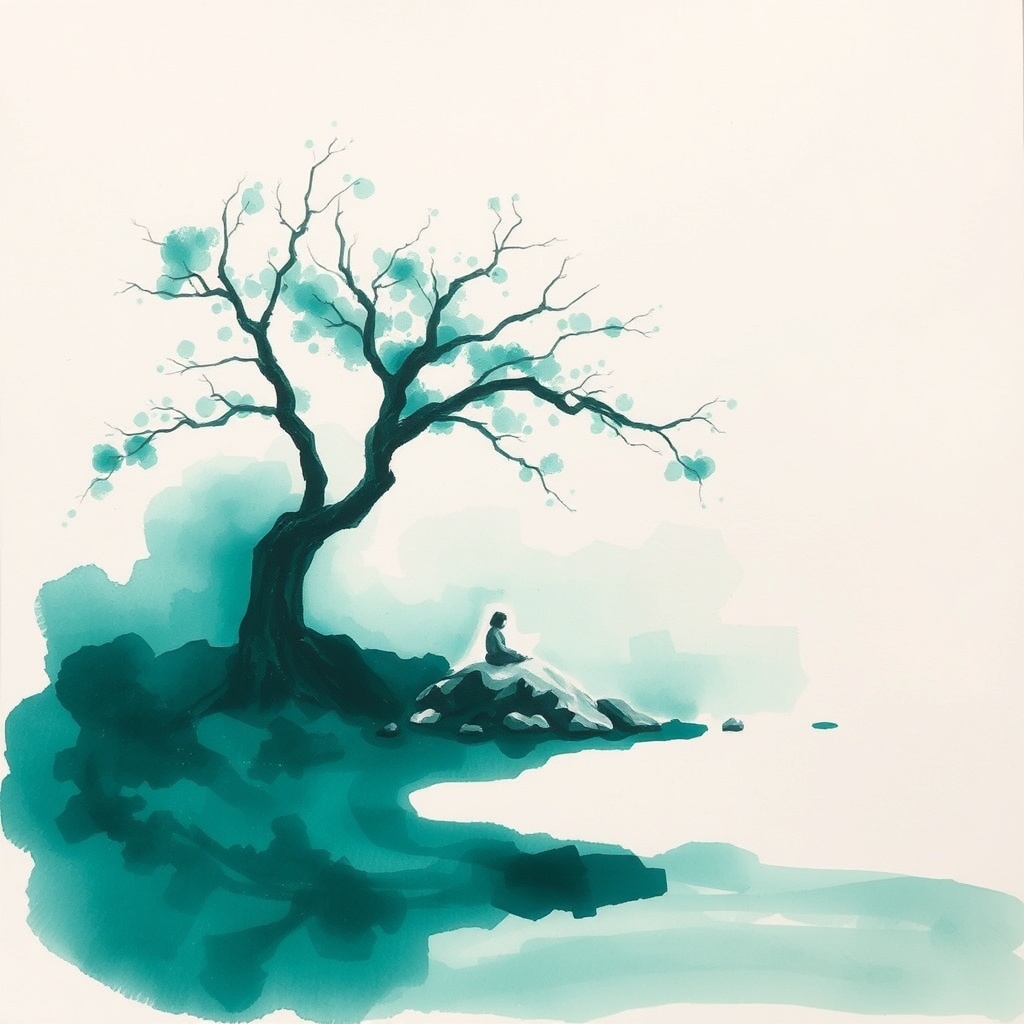
Pure Material
"diluted teal-green pigment bleeding into wet cream paper" — no genre label at all. Just what the paint is doing.
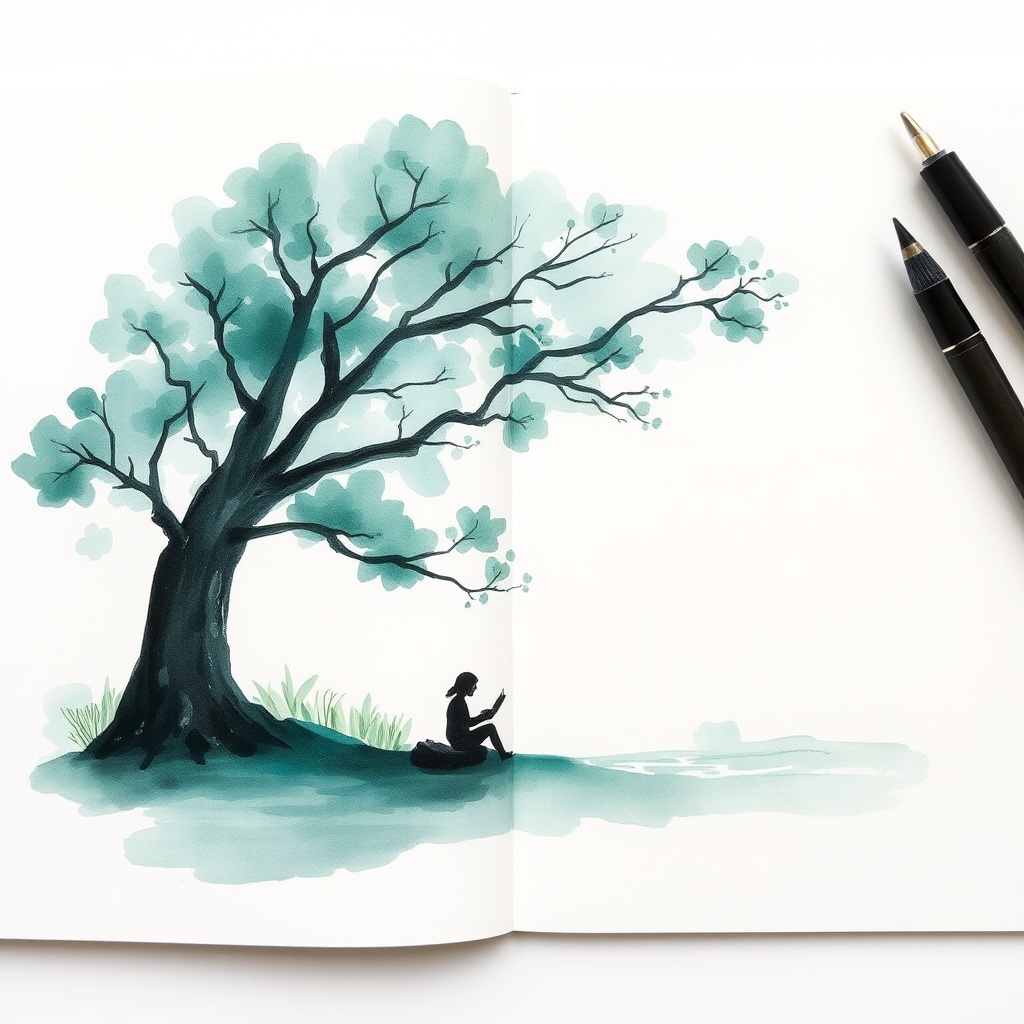
Book Illustration
Clean of stamps, but "book illustration" made Flux render a photo of a sketchbook with pens beside it.

Concept Art
"concept art painted in teal-green washes" — modern creative industry framing. Completely clean, dramatic, beautiful.

Editorial
"editorial illustration for a premium magazine" — the publishing context removes traditional art conventions.
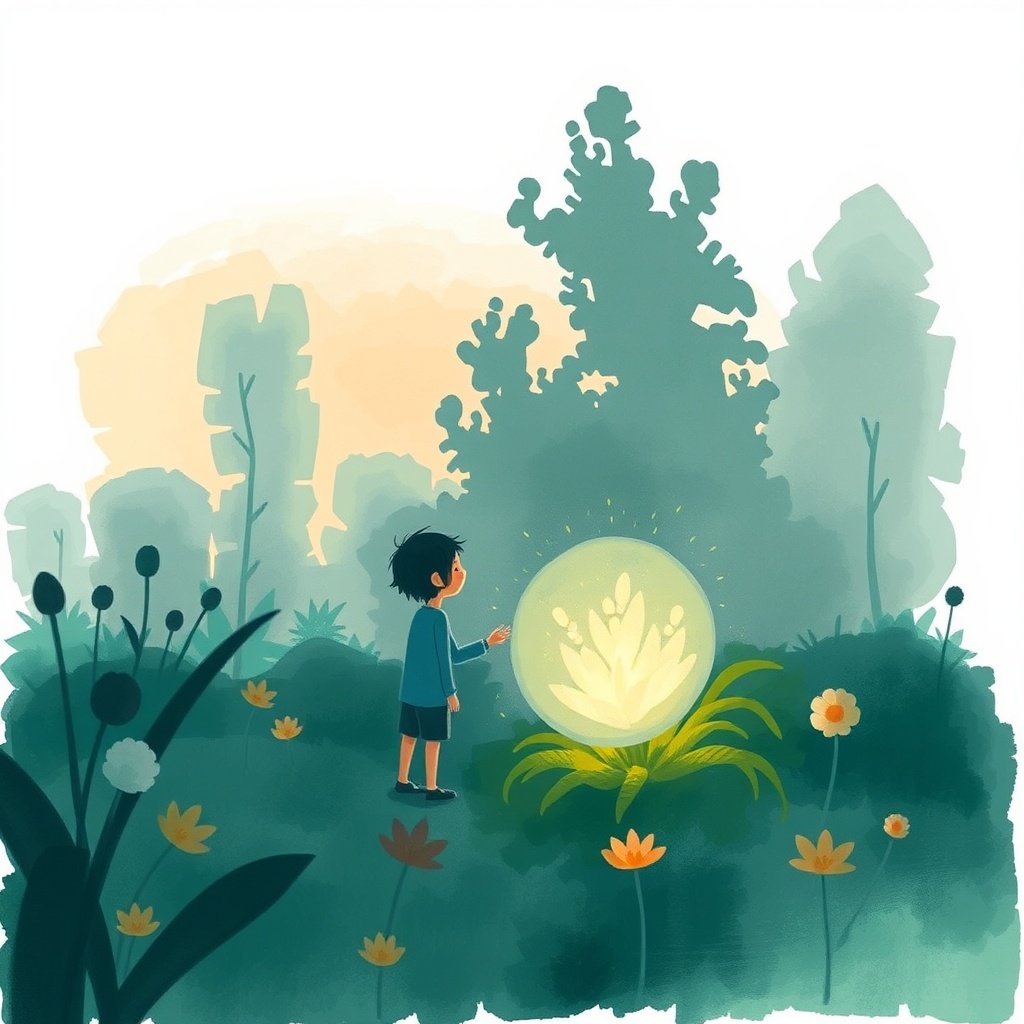
Picture Book
"modern picture book illustration" — the genre has its own conventions, none of which include stamps. Atmospheric and magical.
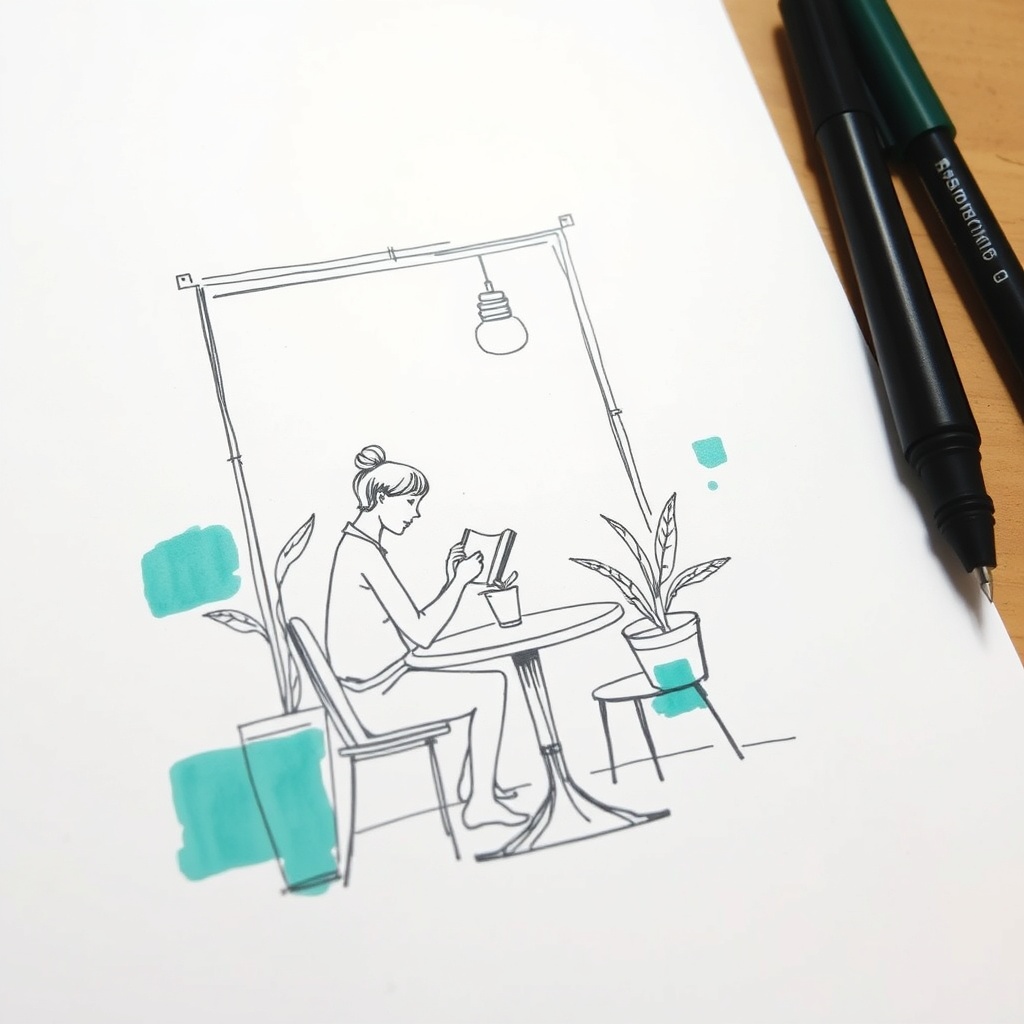
Technical Pen
Lovely drawing, but "technical pen" made Flux render physical pens next to the sketch. Same trap as "book".
The Rules We Discovered
Avoid: Genre labels
"East Asian ink wash", "impressionist watercolour", "sumi-e" — these trigger the full cultural package including presentation conventions (seals, stamps, signatures, calligraphy).
Instead: Describe the material physics
"diluted teal-green pigment bleeding into wet cream paper, transparent layers where brushstrokes overlap" — Flux renders the physical behaviour without cultural baggage.
Avoid: Naming tools
"fountain pen", "technical pen", "brush pen", "sketchbook" — these trigger photos of physical art supplies sitting next to the drawing.
Instead: Describe what the tool produces
"fine black lines with varying weight", "confident fluid strokes" — describe the marks, not the instrument that made them.
Avoid: Traditional fine art framing
"painting", "artwork", "masterpiece" — these imply gallery presentation conventions (signatures, seals, frames).
Instead: Modern creative framing
"concept art", "editorial illustration", "picture book illustration" — modern creative industries don't stamp or seal their work.
The Winners
A — Pure Material
"diluted teal-green pigment bleeding into wet cream paper" — no genre label at all. Just what the paint is doing.
C — Concept Art
"concept art painted in teal-green washes" — modern creative industry framing. Completely clean, dramatic, beautiful.
Alt Shift Lab · Visual Production System · April 2026
Flux Schnell via fal.ai · Art direction by Claude